
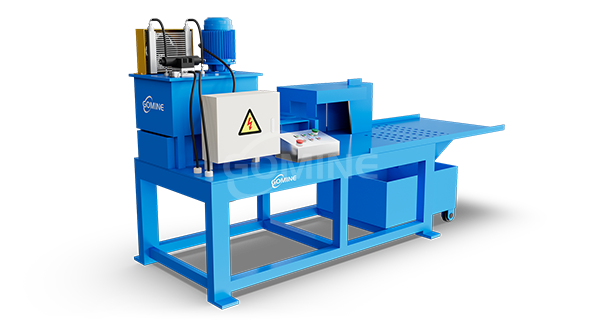
Lead-acid Battery Recycling Machine
Lead-acid battery recycling machine is designed to efficiently and safely recycle lead-acid batteries, recovering valuable materials such as lead, plastic, and sulfuric acid while minimizing environmental impact.
Lead-acid batteries are one of the most common types of batteries used in various applications, including automotive, industrial, and renewable energy systems. However, due to the toxic nature of lead and the environmental hazards associated with improper disposal, there is a growing need for efficient lead-acid battery recycling processes.

Key Components of a Lead-Acid Battery Recycling Plant:
- Battery Crushing Machine: This component of the recycling machine is responsible for crushing the spent lead-acid batteries into small pieces, facilitating the separation of the different components.
- Battery Breaking Machine: After crushing, the battery breaking machine separates the components of the battery, including lead plates, lead oxide, sulfuric acid, and plastic casings. This separation process is essential for the subsequent recycling steps.
- Lead Smelting Furnace: The lead plates and lead oxide recovered from the battery breaking process are melted down in a lead smelting furnace. This furnace operates at high temperatures to separate the lead from other materials, such as impurities and slag.
- Acid Neutralization System: The sulfuric acid extracted from the batteries during the recycling process needs to be neutralized to prevent environmental contamination. An acid neutralization system is employed to safely treat and neutralize the sulfuric acid, making it suitable for disposal or reuse.
- Plastic Recycling System: The plastic casings of the lead-acid batteries are also recycled in a separate system. These plastics are processed and granulated for reuse in various applications, reducing the need for virgin plastic production.

Benefits of Lead-Acid Battery Recycling Machines:
- Environmental Protection: Lead-acid battery recycling machines help prevent the release of toxic materials into the environment, such as lead and sulfuric acid, reducing pollution and environmental damage.
- Resource Conservation: By recycling lead-acid batteries, valuable materials like lead and plastic are recovered and reused, reducing the need for raw material extraction and minimizing resource depletion.
- Compliance with Regulations: Many countries have regulations in place regarding the proper disposal and recycling of lead-acid batteries. Investing in a lead-acid battery recycling machine ensures compliance with these regulations, avoiding fines and penalties.
- Economic Benefits: Lead-acid battery recycling can be a profitable business, with the recovered materials being sold to various industries for reuse. Recycling machines help streamline the recycling process, improving efficiency and profitability.
In conclusion, lead-acid battery recycling machines are essential for the sustainable management of spent lead-acid batteries, offering environmental, economic, and regulatory compliance benefits. These machines play a crucial role in reducing pollution, conserving resources, and promoting a circular economy.
We are experts in the field of solid waste recycling especially metal recycling. We can provide a complete set of solutions, including waste cable recycling, waste circuit board recycling, metal and non-metal crushing and sorting, mixed plastic recycling, etc. If you have any need of our machine, feel free to contact Gomine Machinery.